
Shop Now



Beef Collagen








9010
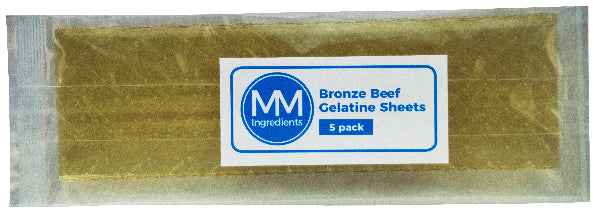
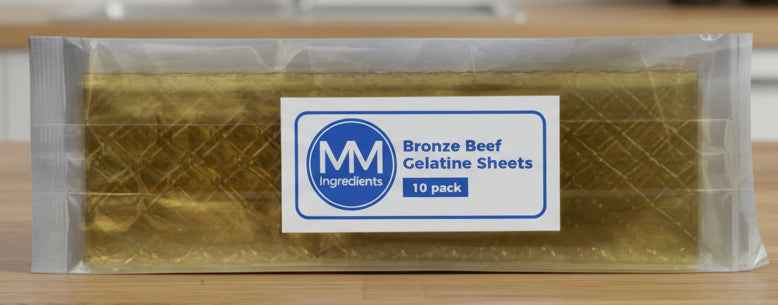
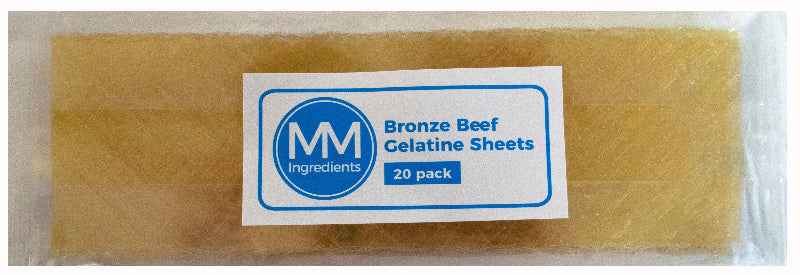
Bronze Leaf gelatine Beef
£2.63 - £31.99£0.00
-
Bronze Leaf Gelatine Beef
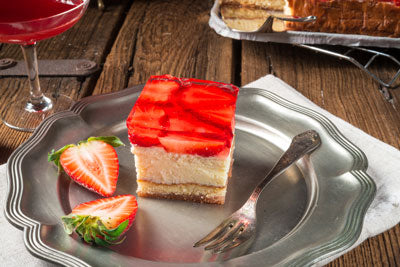
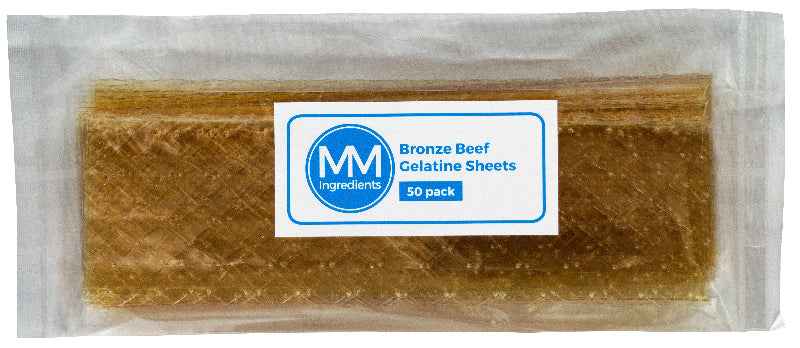
Beef leaf gelatine is a versatile setting agent suited to both home cooks and professional chefs. It's ideal for desserts such as panna cotta, mousses, bavarois, jellies, and cheesecakes, as well as for confectionery like marshmallows, gummies, and Turkish delight. It also plays an essential role in savoury preparations including pâtés, terrines, aspics, and chaud-froids. As a beef-derived product, it's a popular choice for those who avoid pork for dietary, cultural, or religious reasons.
What is beef leaf gelatine?
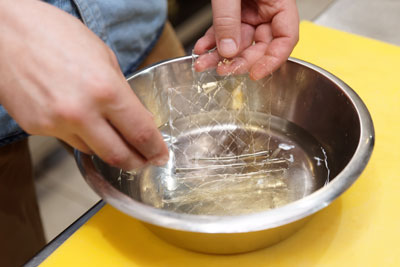
Leaf (or sheet) gelatine is produced by extracting collagen from animal connective tissue, and this primarily from the split (the middle layer of the skin) in this case, from beef cattle. The gelatine is purified, dried, and pressed into thin, translucent sheets with a distinctive lattice or mesh pattern. Beef gelatine has a clean, neutral flavour and performs similarly to pork gelatine in most applications, making it a direct substitute in virtually any recipe. When sourced from certified suppliers, beef gelatine can also be halal or kosher certified, opening it up to a wider range of consumers.
Understanding bloom strength and grades
Leaf gelatine is graded by "bloom strength," which measures its gelling power. The grades are named after metals and generally include:
- Bronze — around 125–155 bloom
- Silver — around 160 bloom
- Gold — around 190–220 bloom
- Platinum — around 235–265 bloom
Although different grades have different bloom strengths, manufacturers typically adjust the weight of each individual sheet so that one sheet sets roughly the same volume of liquid regardless of grade (usually around 100ml of liquid per sheet). Always check the packaging, as this can vary by brand.
Why choose sheets over powder?
- Sheets produce a clearer, more transparent finish than powdered gelatine, which is particularly valuable for glazes, aspics, and clear jellies.
- The elastic, glass-like appearance of the sheets almost looks like a work of art in itself.
- Sheets are easy to portion accurately — simply count out the number required.
- They tend to give a cleaner, more neutral flavour as they contain no anti-caking agents.
- Dissolving is more reliable, with less risk of lumps or graininess.
Beef vs pork gelatine — any difference?
In practice, beef and pork leaf gelatine perform almost identically in the kitchen. Both set to the same degree at equivalent bloom strengths, both dissolve in the same way, and both yield clear, neutral results. The main differences are:
- Dietary suitability — beef gelatine can be produced to halal or kosher standards, while pork cannot.
- Subtle flavour — some chefs feel beef gelatine has a marginally richer note in savoury dishes, though in sweet preparations it's virtually undetectable.
- Availability — pork gelatine has historically been more common in Europe, while beef gelatine is widely used in the Middle East, South America, and increasingly worldwide.
Conversion from powdered gelatine
As a general rule, 1 sheet of leaf gelatine ≈ 2–3g of powdered gelatine, though this depends on the grade. If substituting, match by weight rather than by sheet count when precision matters.
How to use beef leaf gelatine
- Soak the sheets in a bowl of cold or iced water for 5 to 10 minutes, allowing roughly 1 cup (250ml) of water per sheet. The sheets should become soft and pliable.
- Strain the softened gelatine through a sieve.
- Lift the sheets from the strainer and gently squeeze to remove excess water.
- Add the sheets to the warm (not boiling) liquid called for in the recipe, stirring until fully dissolved. If the recipe uses a cold mixture, first dissolve the gelatine in a small portion of warmed liquid, then combine with the rest.
- Do not boil — temperatures above about 80°C will weaken the gelatine's setting power and it may not set properly.
- Chill the finished preparation for at least 8 hours, preferably overnight, to allow it to set fully.
Tips and things to avoid
- Always use cold water for soaking; warm water will cause the sheets to dissolve and be lost.
- Certain fresh fruits contain enzymes that break down gelatine and prevent setting — these include pineapple, kiwi, papaya, mango, figs, and fresh ginger. Briefly cooking or using canned versions deactivates the enzymes.
- High acidity, high sugar, or high alcohol content can weaken set strength — you may need to use a little more gelatine.
- Store unused sheets in a cool, dry place, away from moisture and strong odours. Properly stored, they have a long shelf life.
- As a beef-derived product, leaf gelatine is not suitable for vegetarians or vegans. Agar agar, carrageenan, or pectin can be used as alternatives, though they have different setting properties.


Take a look at our other Gelatine and Collagen products
- Pork (Type A) in 240 Bloom
- Beef (Type B) in 240 Bloom
- Fish in 150 Bloom
- Chicken 280-310 Bloom
- Hydrolysed Beef Collagen
- Marine Collagen
- Beef Bronze Leaf Gelatine
- Pork Bronze Leaf gelatine
All are supplied as food grade and in a powdered granular form, in weights from as little as 50g bags all the way up to 15kg boxes.
All our powdered Gelatines (other than 5kg’s to 15Kg’s are now supplied in resealable pouches for optimum freshness.

Where does our Gelatine and Collagen come from?
- Our Pork comes from many different countries, and is blended in the UK, to strict UK/EU standards.The origin may vary from batch to batch.
- Our Beef comes from many different countries, and is blended in the UK, to strict UK/EU standards The origin may vary from batch to batch.
- Our Fish comes from: Italy
- Our Chicken comes from: Taiwan
- Our Hydrolysed Beef Collagen comes from India
- Our Hydrolysed Marine Collagen from: Norway
| Product | Usage Level |
|---|---|
| Dairy Products. | 0.2 – 1.0% |
| Desserts | 7 – 9% |
| Gummy Bears | 7 – 9% |
| Marshmallows | 1.7 – 2.5% |
| Bakery Fillings and Icings | 1 – 2% |
| Meat Products | 1 – 5% |
| Wine, Beer, Juices | 0.002 – 0.15% |
| Frozen Foods | 0.1 – 0.5% |
Nutritional Info
Energy per 100g is:
- K.Joules – 1445
- K.cals – 340
- Protein – (82 – 88%)


What is gelatine?
- What is it made of? – It is defined as a product obtained by the partial hydrolysis of collagen derived from the skin, white connective tissue and bones of animals.
- Where does it come from? – It does not occur freely in nature, and cannot be recovered from horns, hoofs and other non- collagen containing parts of vertebrate animals.
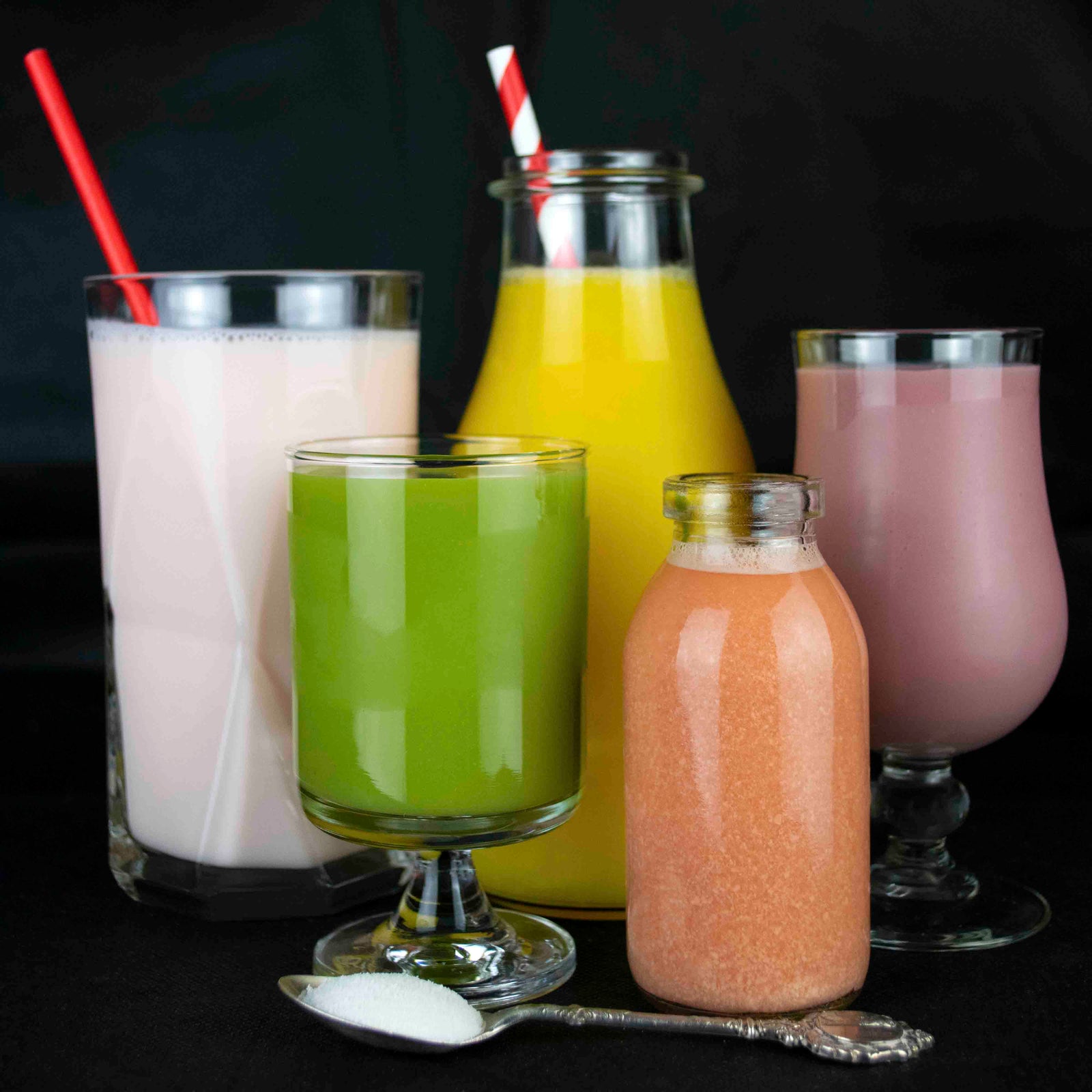
- How is it used? – It can be used to gel, thicken, stabilize, emulsify and to give a creamy consistency.
- Why do we use gelatine? – It is a natural and healthy food.
- Who uses gelatine? – Due to its versatile properties, the pure protein offers many benefits and plays an important role in today’s food industry.
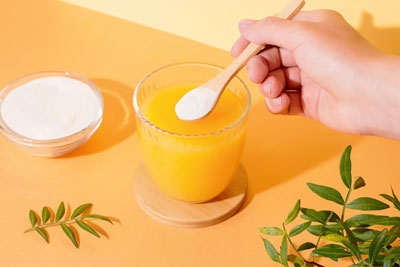
- Is it natural? – It is a pure, natural protein made from animal raw materials that contain collagen.
- What goes into it? – It consists of 84 to 90 percent protein and 2 percent mineral salts, with water making up the rest.
- How is it classified? – It is classified as a foodstuff and is not a food additive with an E number.
- Is it good for me? – Gelatine contains neither preservatives nor other additives and is free of fat, cholesterol and uric acid compounds.
- Can I eat gelatine? – In addition, it does not cause any known allergies, is 100% natural and is cholesterol, purine and fat free.