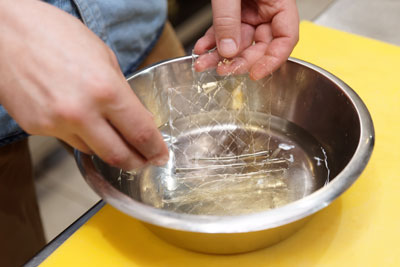
Gelatine, a protein derived from collagen, has a history stretching back centuries. Let's trace the journey of this remarkably versatile ingredient, from ancient kitchens to modern industry.
Where Did Gelatine Come From?
Gelatine's story begins in antiquity. Evidence shows it was already in use among ancient civilizations such as the Egyptians and Romans, who discovered that boiling animal bones and connective tissue produced a substance with unique gelling properties — the earliest form of what we now know as gelatine.
How Did Gelatine Become Popular in Modern Times?
By the 17th century, techniques for extracting gelatine from animal bones had been significantly refined. This breakthrough opened the door to widespread culinary use, as cooks and food producers came to rely on gelatine's ability to gel, thicken, and stabilize dishes.
Gelatine's Role in the Industrial Revolution
The industrial revolution transformed gelatine production. New technologies made the extraction process far more efficient, dramatically increasing gelatine's availability. As a result, it became a staple ingredient across a growing range of food products.
How Has Gelatine Evolved in the Modern Era?
Gelatine's uses have expanded well beyond the kitchen. Today it plays a role in pharmaceuticals, cosmetics, and photography, alongside its continued presence in the food industry. Modern technology has also made gelatine production more sustainable and environmentally responsible than ever before.
What Are the Health Benefits of Gelatine?
Gelatine is prized for its collagen-boosting properties, which can support healthy skin, hair, and joints. It's also a good source of protein and essential amino acids, making it a worthwhile addition to a balanced diet.
A Legacy
Looking back at gelatine's long history, it's clear this versatile ingredient has shaped many aspects of human life. From ancient civilizations to the present day, gelatine remains an indispensable component across a wide range of industries.