Whether you're making marshmallows for fun or considering a commercial venture, understanding the role of gelatine is essential to achieving the perfect texture and consistency. This guide answers the most common questions about gelatine selection and use in marshmallow production.
Powder or Leaf Gelatine?
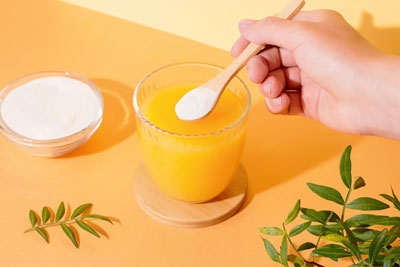
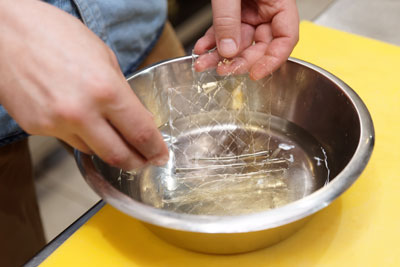
We recommend using powdered gelatinerather than leaf gelatine for marshmallow making. Powdered gelatine is easier to measure, dissolve, and incorporate consistently into your recipe, making it the preferred choice for both home and commercial production.
What Bloom Strength Should I Use?
The gel strength of gelatine—measured in Bloom—controls the setting speed and texture of your marshmallows. Higher Bloom gelatines set more quickly and produce a firmer, more elastic texture.
High-strength gelatines (240 Bloom) are used extensively in commercial marshmallow manufacture because they deliver superior structure and stability. We supply both Pork and Beef gelatine powder in 240 Bloom strength, as well as a 150 Bloom Fish gelatine for alternative dietary requirements.
Pork or Beef Gelatine: Does It Matter?
Yes—the choice between Pork and Beef gelatine significantly affects foaming performance and final texture.
Foaming performance is more sensitive to glucose syrup levels
Important: Excessive glucose syrup may cause total foam collapse
Recommendation: Formulations based on invert sugar are safer and more reliable when using Beef gelatine
How Do I Use Gelatine in Marshmallows?
For detailed instructions on gelatine preparation and incorporation techniques, please refer to our separate guide on gelatine usage.
Technical Considerations for Commercial Production
Many factors influence successful marshmallow production at scale. Key among these is foaming behaviour.
Gelatine is a water-soluble protein that remains soluble in high-sugar solutions. This unique property allows it to emulsify air and liquid together, creating stable foam. Foaming performance is affected by:
Gelatine source (Pork vs. Beef)
Glucose syrup quantity
Additional ingredients
Important: When adding ingredients to the foam, exercise care—every ingredient will affect foam stability and final texture. Test formulations thoroughly before scaling up production.
Summary
For optimal results in marshmallow making:
Use powdered gelatine at 240 Bloom strength
Choose Pork gelatine for easier, more stable foam (but avoid over-whisking)
If using Beef gelatine, formulate with invert sugar rather than high levels of glucose syrup
Test all ingredient additions carefully to maintain foam stability