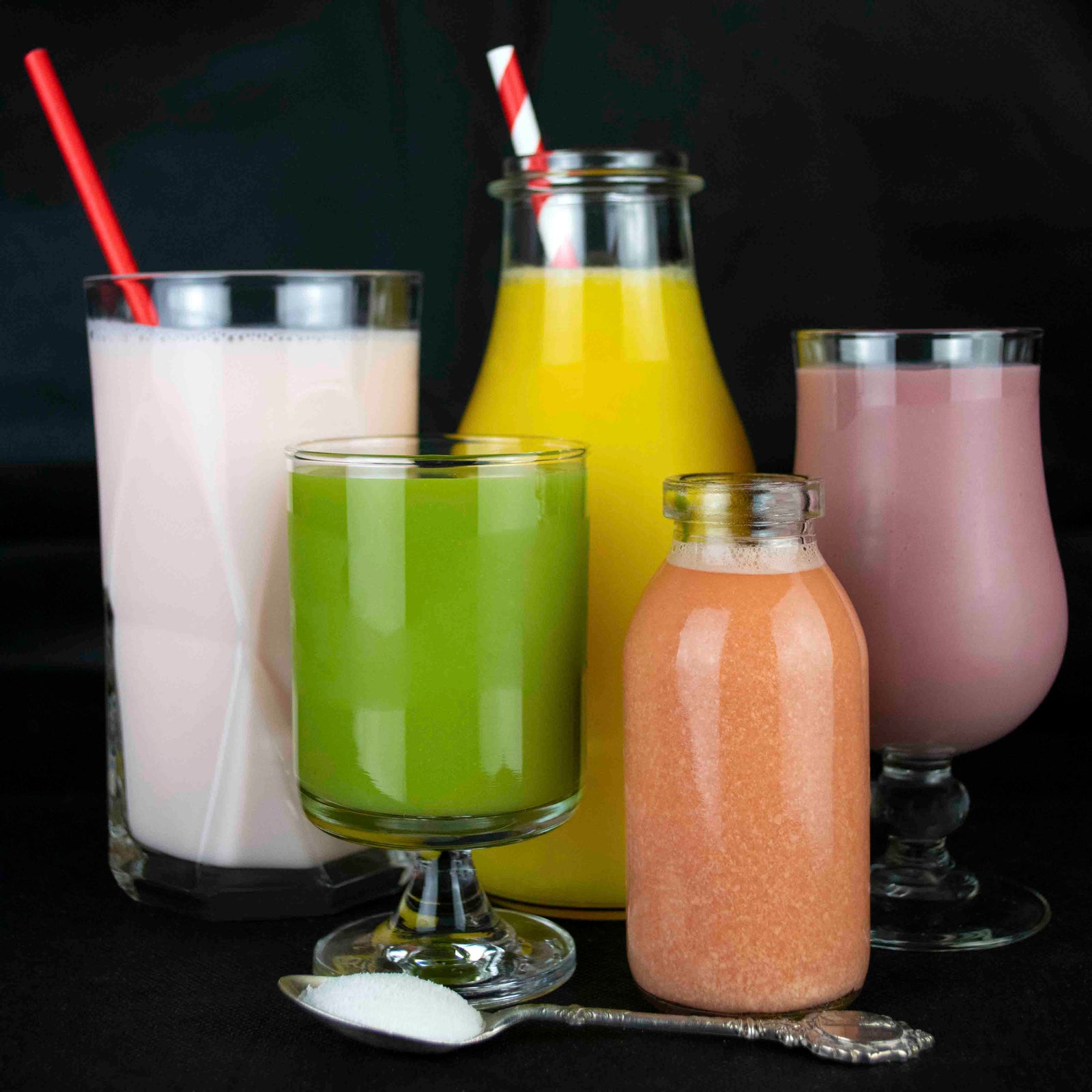
Drinking enough can sometimes be a challenge, whether through forgetfulness or simply wanting more variety. Water-containing foods, including jelly, can contribute to fluid intake alongside drinks.
Homemade gelatine jelly offers a way to vary flavours and sweetness. It is not a treatment for dehydration or a substitute for individual healthcare advice.
How jelly can contribute to fluid intake
Jelly is made with liquid, held in a gel by gelatine. Eating it adds a water-containing food to your diet, which can offer variety alongside your usual drinks and meals.
Rather than relying on jelly alone, think of it as one option within a varied diet. If you have been advised to restrict fluids or follow a particular diet, ask your healthcare professional how jelly fits into that advice.
Why make your own jelly?
Making jelly from scratch lets you choose the ingredients and adjust the flavour, sweetness and texture. You can use a favourite juice, try a milk-based dessert or experiment with a savoury option.
You also have control over added sugar, flavourings and colourings. Check the ingredients of any juice, stock or other liquid you use, particularly when catering for dietary requirements.
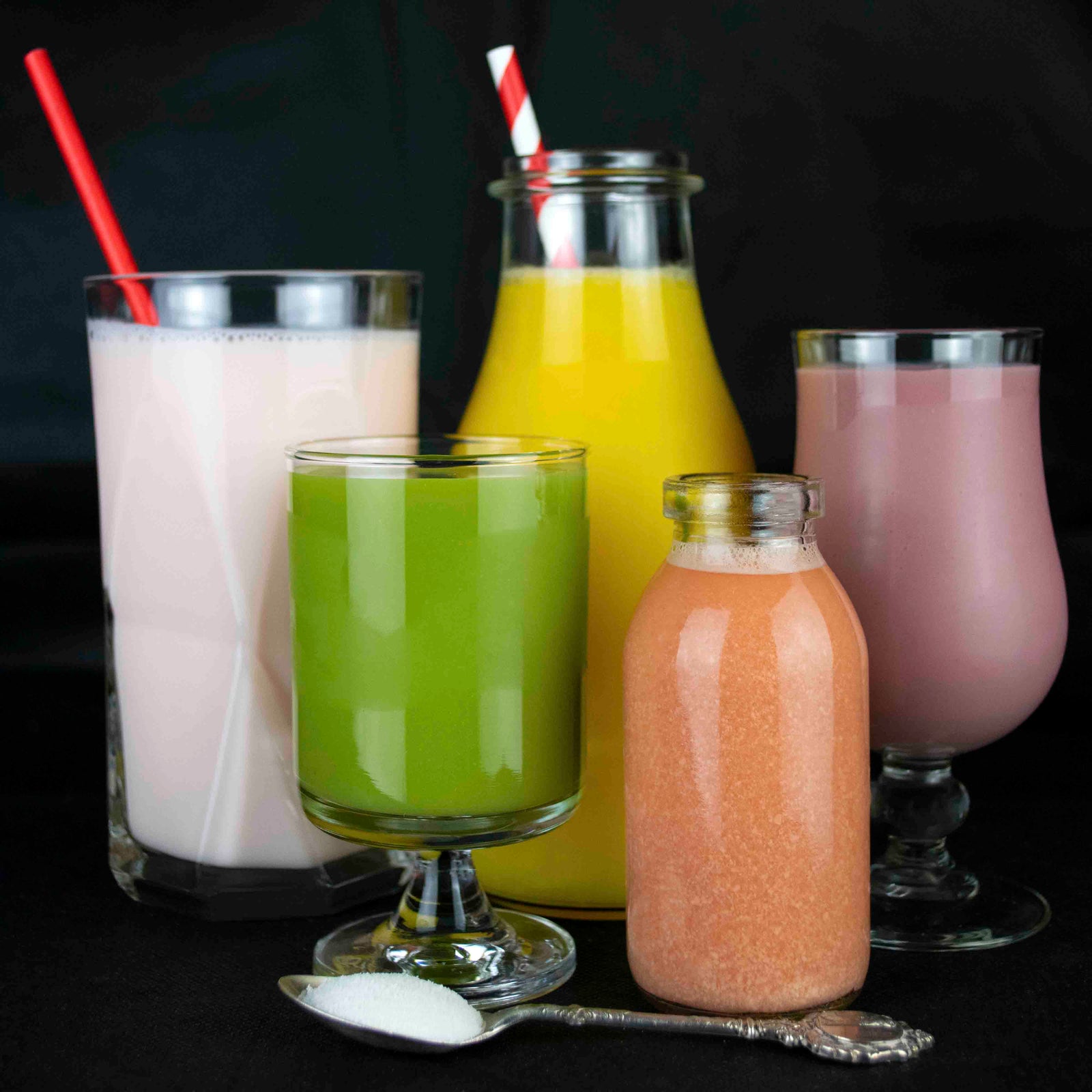
Flavour ideas for homemade jelly
Fruit juice: Choose a juice you enjoy. Some fresh fruits, such as pineapple, kiwi and papaya, contain enzymes that can interfere with gelatine setting. Heating can deactivate these enzymes, but results depend on the ingredients and preparation. Follow a tested recipe and try a small batch first.
Herbal tea: Use a cooled herbal infusion for a different flavour, following your gelatine preparation instructions.
Coconut water: Try it as an alternative liquid if you enjoy its flavour, rather than treating the finished jelly as a remedy for dehydration.
Milk: Use a tested milk-jelly recipe, such as gelatina de leche, for a creamy dessert.
Savoury liquids: Try a suitable stock or a diluted Marmite mixture for a savoury variation. Consider the salt content when choosing ingredients.
If you would like to add colour, try a little berry juice or a food colouring suitable for your recipe. Ingredients such as turmeric or beetroot powder can also affect the flavour, so start with a small amount.
Adjusting sweetness and texture
Follow the instructions for your gelatine and use a tested recipe as your starting point. For general cooking, you can experiment with the ratio of gelatine to liquid to find a set you enjoy.
Taste the liquid before adding sugar: fruit juice may already provide enough sweetness. Honey is another sweetener, but it still adds sugar and should not be presented as automatically healthier.
Serving considerations for children and older adults
Choose ingredients and serving styles appropriate for the person eating the jelly. For children, avoid additions that could pose a choking risk and supervise them while eating. A smooth jelly without solid inclusions may be a simpler option, but suitability still depends on the child.
For anyone with swallowing difficulties, do not assume that jelly is suitable or adjust its texture without professional guidance. Follow the advice of their healthcare professional or speech and language therapist.
If someone is struggling to drink enough or you are concerned about dehydration, seek healthcare advice rather than relying on jelly.
Homemade jelly offers plenty of room for creativity. Start with a simple, tested recipe, then explore flavours that suit your household.