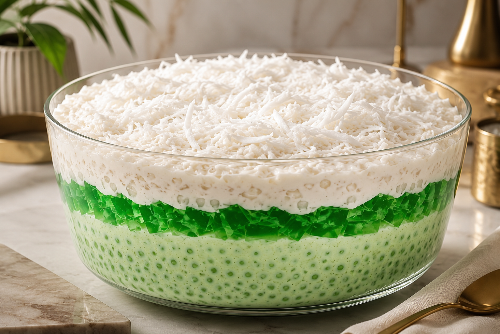
Three Layer Pandan Sago Dessert: A striking version of a chilled dessert from Indonesia, chewy green sago on the bottom, creamy coconut in the middle, and a clean pandan jelly on top. Best made a day ahead since each layer needs time to set before the next goes on.
What is Pandan?
Pandan (Pandanus amaryllifolius) is a tropical plant native to Southeast Asia and is widely prized for its fragrant green leaves. Often referred to as the "vanilla of Asia," pandan has been used in traditional cooking for generations to add a unique aroma and flavour to both sweet and savoury dishes.
Its distinctive taste is often described as a delicate blend of vanilla, coconut, and floral notes, with hints of rose. Pandan is a key ingredient in many popular Southeast Asian desserts, beverages, and rice dishes, where it provides both its signature flavour and vibrant natural colour.
Where can I buy Pandan?
In the UK Pandan can be bought online or from any good Asian grocery store. You can buy the leaves dried, fresh or frozen, as an extract, as a juice or paste and in powdered form. Green sago is also available online or from any good Asian grocery store.
• 2 tablespoons cold water, to bloom the sago-layer gelatine
• 1 cup hot water, for the sago layer
• 2 tablespoons sugar, for the sago layer
• 1 tablespoon gelatine powder (about 10g), for the coconut layer
• 3 tablespoons cold water, to bloom the coconut-layer gelatine
• 400 ml coconut milk (santan)
• 4 tablespoons sugar, for the coconut layer
• 1 pinch salt
• 1 tablespoons gelatine powder (about 10g), for the pandan layer
• 4 tablespoons cold water, to bloom the pandan-layer gelatine
• 400 ml pandan juice (or water plus 1 tsp pandan extract)
• 5 tablespoons sugar, for the pandan layer
Steps
1. Boil the sago: Bring a large pot of water to a rolling boil and add the half cup of small sago pearls. Boil uncovered, stirring occasionally, until the pearls turn mostly translucent with just a tiny white dot left in the centre.
2. Colour and rinse the sago: (Miss this out if you have green sago) Off the heat, stir the Half a teaspoon pandan extract (or green food colouring), for the sago into the pot to dye the sago bright green. Drain into a fine strainer and rinse thoroughly under cold water to wash off the excess starch. Set aside.
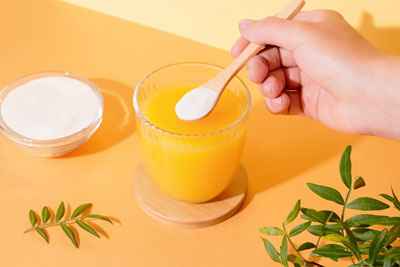
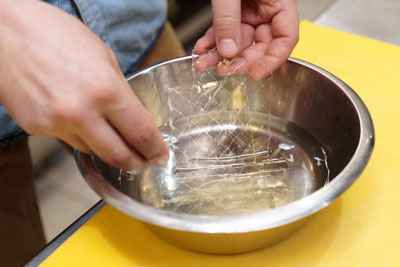
3. Make the sago-layer gelatine base: Bloom 2 teaspoons gelatine powder, in 2 tablespoons cold water, to bloom the gelatine for 15 minutes. Meanwhile, dissolve 2 tablespoons sugar, for the into 1 cup of hot water, for the sago layer. Stir the bloomed gelatine into the hot sugar water until fully dissolved.
4. Assemble and chill the sago layer: Stir the cooked green sago into the gelatine mixture, then pour it into the bottom of your mould or serving cups. Chill until completely firm.
5. Make the pandan jelly layer: Bloom 1 tablespoons gelatine powder (about 10g), for the pandan layer in 3 tablespoons cold water, to bloom the pandan-layer gelatine. Heat 400 ml pandan juice (or water plus 1 tsp pandan extract) and 5 tablespoons sugar, for the pandan layer until hot, remove from heat, allow to cool slightly, and stir in the bloomed gelatine until fully dissolved.
6. Cool the pandan mixture completely: Let this mixture cool all the way to room temperature. If it's still warm when poured, it will melt the Sago layer beneath it
7. Make the coconut layer: Bloom 1 tablespoon of gelatine powder (about 10g), in 4 tablespoons cold water, to bloom the coconut-layer gelatine. Gently heat 400 ml coconut milk (santan), 4 tablespoons sugar, and 1 pinch salt in a saucepan until hot but not boiling. Remove from heat and cool slightly before stirring in the bloomed gelatine until fully dissolved.
8. Cool the coconut mixture: Let the coconut mixture cool until just lukewarm before using — pouring it hot will melt the jelly layer underneath.
9. Pour and chill the coconut layer: Gently spoon or pour the lukewarm coconut mixture over the firm jelly layer.
10. Chill the whole dessert until fully set before serving.
11. Once chilled decorate with fresh pandan leaves or flakes of coconut
Notes
Work layer by layer and don't rush the chilling times — each layer needs to be properly set (or at least tacky) before the next goes on, or the layers will bleed into each other.