History of Gelatine Manufacturing: Few ingredients sit as quietly in the background of daily life as gelatine. It thickens desserts, coats pills, stabilises photographs, and even patches up surgical wounds, yet most people never think about where it comes from or how it's made. Its story stretches back thousands of years and runs through some of the most important turning points in industrial and scientific history.
Ancient and pre-industrial origins
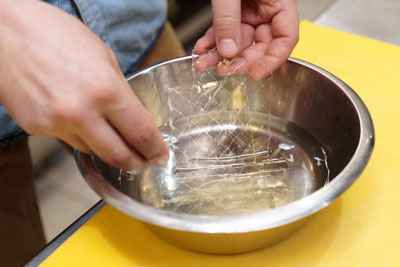
Long before the word “gelatine” existed, people were already using its properties. Gelatine-like substances can be traced to Ancient Egypt, and some accounts suggest that natural glue was used as far back as 8,000 years ago. By boiling animal skins, bones, and connective tissue, people produced a sticky, gelling liquid that served first as an adhesive and later as food. By Egyptian and Roman times, the gelling properties of collagen were well understood, and gelatine-set dishes later became delicacies at European noble feasts.
By the 17th century, cooks and early chemists had begun to refine extraction methods, and the process of pulling gelatine out of animal bones improved enough that it became a widely used culinary ingredient prized for its gelling, thickening, and stabilising qualities. Still, production remained a slow, artisanal affair, bones and skins simmered for hours in cauldrons, with no standardised process and no way to produce it at scale.
The birth of industrial gelatine
The real turning point came in the early 19th century. In 1812, the French chemist Jean-Pierre-Joseph d'Arcet developed a steam-extraction method that significantly improved the efficiency of gelatine production. A few years later, industrial gelatine production for use in glue began in earnest in Lyon, France, in 1818, allowing factories to process large volumes of what had previously been considered meat-industry waste, bones, hides, and cartilage, into a genuinely valuable raw material.
This period also opened up gelatine's role in medicine. In 1834, the French chemist François Mothes patented a method for producing gelatine capsules, which helped disguise the bitter taste of many drugs while protecting them from degradation, and just over a decade later, in 1847, the Londoner James Murdock developed the first hard, two piece gelatine capsule. It would, however, take more than fifty years for mass produced capsules to become a fixture of the pharmaceutical industry.
Gelatine also found an unexpected calling in photography. The emergence of small dedicated factories made it possible to manufacture gelatine industrially and in large quantities from these food-industry by-products, and ready-to-use dry photographic plates coated in a gelatine emulsion became available, removing much of the complexity from early photography through the introduction of negatives.
Gelatine in the kitchen
On the food side, the crucial patent came from an unlikely source. In 1845, the industrialist and inventor Peter Cooper, better known for building the Tom Thumb steam engine and for his fortune in glue manufacturing, secured a U.S. patent for a “Portable Gelatine” powder that required only the addition of hot water, though the idea sat largely unused for the next fifty years. It wasn't until the 1890s that gelatine desserts became a genuine consumer product. In 1895, Pearl Wait, a cough-syrup manufacturer in LeRoy, New York, began experimenting with adding fruit syrups to gelatine, laying the groundwork for what would become a household name in flavoured gelatine desserts. Around the same time, entrepreneurs such as Rose Knox packaged dried gelatine sheets and sent salesmen door-to-door to demonstrate how to use them in aspics, moulds, and desserts, publishing a dedicated recipe book in 1896.
War, medicine, and the 20th-century boom
The two World Wars pushed gelatine research in unexpected directions. During the First World War, gelatine-based substances were intensively researched as blood-replacement agents and plasma expanders, and by the Second World War this approach was being used on a large scale; from 1940 onward, gelatine sponges became indispensable as haemostatic agents to control surgical bleeding. In the decades that followed, gelatine's identity as a “liquid protein” saw it surge in popularity across the growing beauty and healthcare sector.
As the industry matured, manufacturers organised to raise standards and coordinate globally. The Gelatine Manufacturers of Europe (GME) was founded in 1974, followed by the Gelatin Manufacturer Association of South America (SAGMA) in 1995 and the Gelatine Manufacturers Association of Asia Pacific (GMAP) in 1996, with Japanese and American associations joining the effort more recently. Since July 2020, these regional associations have worked together under a joint body, Gelatin Representatives of the World (GROW), to strengthen international representation for the industry.
Gelatine manufacturing also spread well beyond Europe and North America. In Egypt, for example, a manual gelatine business founded in the tanneries district of Old Cairo in the 1930s, processing skins from cattle and buffalo slaughtered nearby into glue for furniture makers and carpenters, grew over the decades into one of the region's leading gelatine manufacturers.
How gelatine is made today
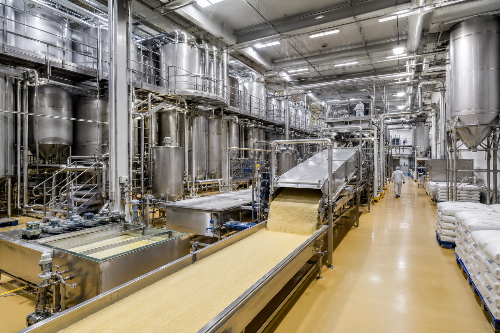
Modern industrial gelatine production is a far more controlled and regulated process than its cauldron-based ancestor, though the underlying chemistry, breaking down collagen from animal connective tissue, skin, and bone into soluble protein, hasn't fundamentally changed. Raw materials (predominantly pork skins, cattle hides and bones, and increasingly fish skins) are cleaned, treated with acid or lime to loosen the collagen structure, and then extracted with hot water in stages to draw out gelatine of different grades and strengths. The extracted liquid is filtered, concentrated, sterilised, dried, and ground into the powder or sheet form familiar in kitchens and factories alike. Where gelatine is destined for food use, sweeteners, flavourings, and colourings may be blended in at this stage before it is packaged in automated lines that fill and vacuum-seal bags for shipment, all under strict national and international food-processing regulations covering plant cleanliness, equipment, and permitted additive levels.
The industry right up to today
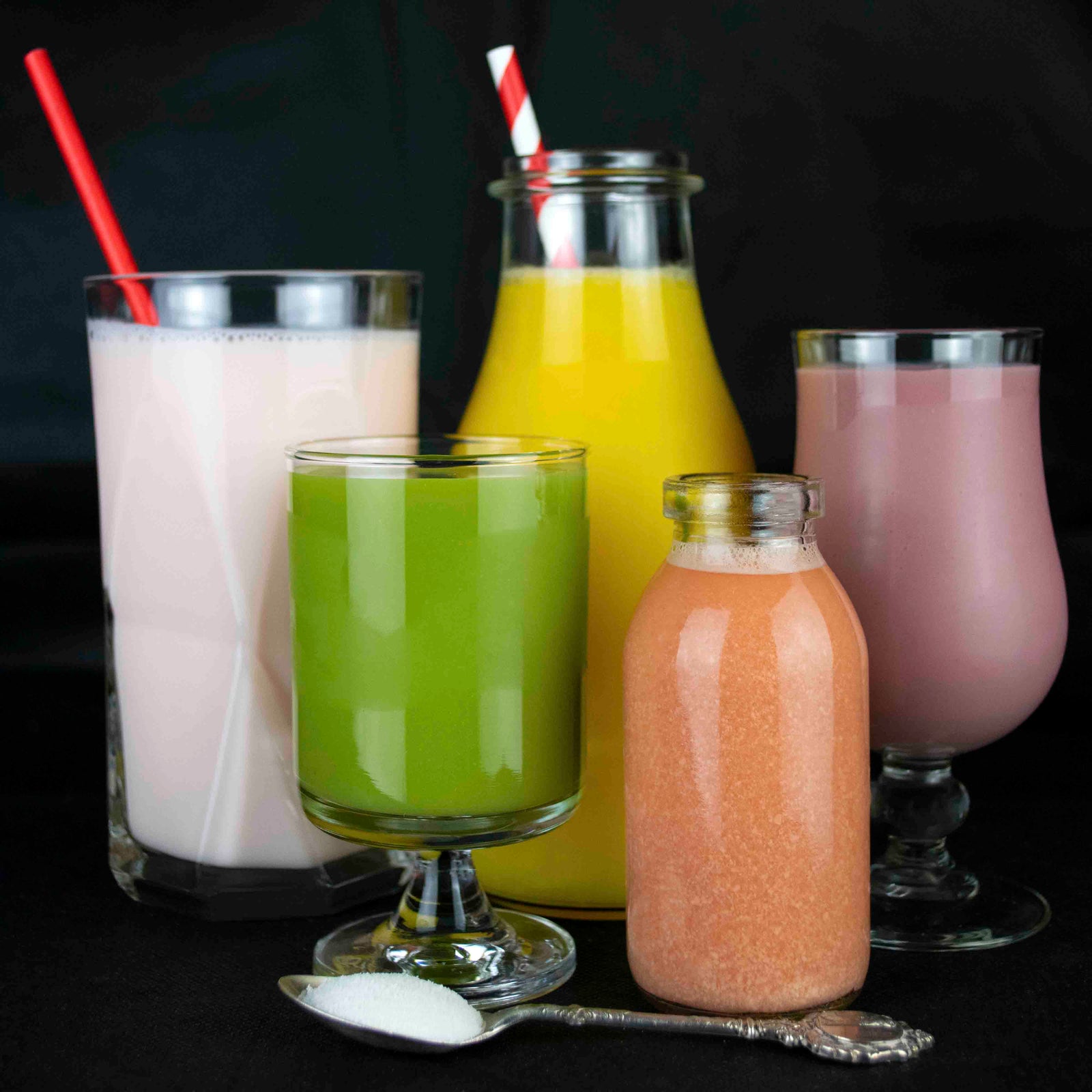
Gelatine remains a genuinely global business. The global gelatine market was valued at around US$4.5 billion in 2026 and is projected to reach roughly US$6.8 billion by 2033, growing at a compound annual rate of about 6.1% as the industry shifts toward a higher-value, application-driven model built on functionality, bioavailability, and clean-label appeal. Once associated mainly with desserts and photographic film, gelatine is now deeply embedded in pharmaceuticals, nutraceuticals, and advanced personal-care products, with innovation in delivery formats such as gummies and softgels continuing to expand its relevance across industries.
That said, the industry faces real headwinds. Because gelatine is derived from animal by-products, concerns about livestock emissions, resource use, and animal welfare are increasingly shaping consumer perception, while tightening regulatory and traceability requirements, particularly in Europe and North America, are pushing manufacturers toward more responsible sourcing and greater transparency. Plant-based substitutes such as agar-agar, pectin, and carrageenan now offer comparable gelling, thickening, and stabilising properties, and rising numbers of vegan and vegetarian consumers are driving strong demand for animal-free alternatives. The response from some players in the industry has been to diversify rather than compete head-on: in 2024, for instance, Zydus Lifesciences acquired a 50% stake in Sterling Biotech from Perfect Day, forming a joint venture aimed at shifting production toward fermented, animal-free proteins to meet demand for more sustainable, ethically sourced nutrition.
At the same time, gelatine's traditional strengths are proving hard to fully replace. Its thermo-reversible gelling behaviour is central to the booming “gummy” supplement trend, delivering vitamins and minerals in a format that plant-based alternatives still struggle to replicate exactly. Demand also remains strong in higher-specification uses: expanding pharmaceutical capsule production continues to sustain demand for high-specification gelatine grades that meet strict pharmacopeia standards, even as animal-welfare concerns and vegan dietary trends put competitive pressure on gelatine's position in food and confectionery applications. Demand for halal- and kosher-certified gelatine is also growing as Muslim and Jewish consumer populations expand and retailers increasingly require dietary-compliance documentation, which is part of why fish-derived gelatine, compliant with both dietary codes, has become a significant niche category alongside the traditional bovine and porcine sources.
On sustainability specifically, the picture is mixed but moving in one direction. A growing share of gelatine producers, reportedly over 40%, have adopted eco-friendly practices such as waste reduction and energy-efficient technologies, though many plants still rely on traditional processes that generate significant waste and emissions, leaving real room for improvement.
From cauldron to biomaterial
What's striking about gelatine's history is how consistently it has been reinvented. A substance first discovered by accident in the ashes of ancient cooking fires became an industrial adhesive, then a pharmaceutical delivery system, then a photographic technology, then a dessert-table staple, and is now being positioned as a sustainable biomaterial and a specialty ingredient for an increasingly health-conscious, ethically minded consumer base. Whatever comes next for the industry, fermented animal-free proteins, marine-sourced gelatine, or new hydrocolloid competitors — it's a fair bet that this quietly versatile protein will still find a way to be useful.
Note: Several of the market-sizing figures above (sources 9, 13, 17) come from commercial market-research reports whose forecasts vary between providers; treat exact dollar figures and CAGR projections as industry estimates rather than fixed facts, and cross-check against a specific report if precise numbers are needed for publication.